
- March 8, 2026
- Posted by: Regent Harbor Team
- Category: Global Economy
markdown
Contents
Economic Ripples from the Middle East
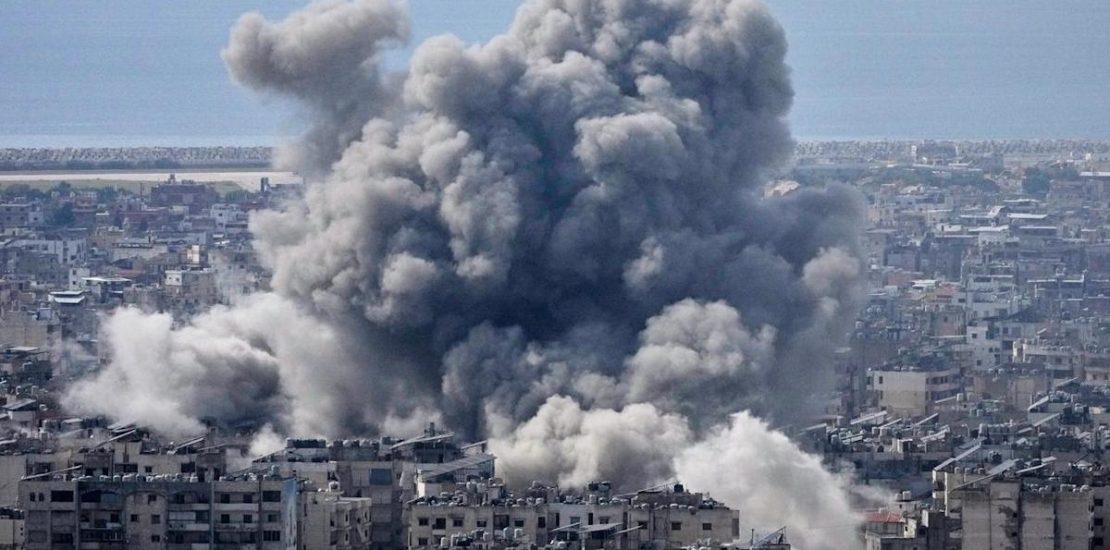
Events in the Middle East may soon cast a considerable shadow over Australia’s economy. With the conflict widening, there’s a chance that inflation might be affected.
An Eye on Inflation
Australia’s central bank is keeping a watchful eye on the Middle East. The Reserve Bank, wary of any impact on domestic markets, is closely monitoring the situation.
Governor Michele Bullock recently stated it’s still too soon to predict the effects. Supply disruptions could elevate inflation pressures.
Petrol Price Concerns
Following the US-Israeli strikes, petrol prices swiftly rose in Australian cities. Iran’s threats in the Strait of Hormuz add to this, as it’s a vital route for the world’s oil supply.
Inflation is currently steady at 3.8%. However, underlying inflation rose to 3.4%, above the bank’s target of 2-3%.
Prelude to Rate Decisions
Ms. Bullock hinted the upcoming interest rate decision on 17th March is “live”. This opens up the possibility for consecutive cash rate hikes.
In January, household spending saw a slight increase. Fresh consumer sentiment figures are expected in the coming week.
Consumer Confidence and Business Conditions
Westpac’s consumer confidence survey will be published on Tuesday. Experts anticipate a decrease of 1.1% this month.
February’s decision to lift the cash rate to 3.85% impacted consumer spending patterns. The latest figures are eagerly awaited.
On the business front, NAB’s report is also due. Earlier data indicated rising confidence but declining conditions due to profitability issues.
Wall Street Tremors
Wall Street investors are presently anxious over labour market setbacks and a 12% hike in fuel prices. All main indexes finished in the negative last Friday.
The Dow Jones fell by 0.95%, the S&P 500 dropped by 1.33%, and the Nasdaq slipped by 1.59%. The current economic scene had Wall Street endure its toughest week since October.
Australian share futures nosedived by 135 points or 1.52% to 15,737. Meanwhile, the S&P/ASX200 dropped by 89.3 points or 1%.
This marked the worst weekly performance for the top-200 since early April 2025.
Broader Economic Implications
The transition in energy markets remains a topic of concern. A prolonged effect might reduce global economic activity and exert downward pressure on inflation.
Thus, while uncertainties loom, the Reserve Bank remains vigilant. As always, the unfolding global events remind us of the delicate balance between local and global economies.
For further details on global economic projections, see this article.