
- February 1, 2026
- Posted by: Regent Harbor Team
- Category: Business
Contents
The Rise of Private Clubs in Retail Spaces: A New Yorker’s Take
Designer Destinations
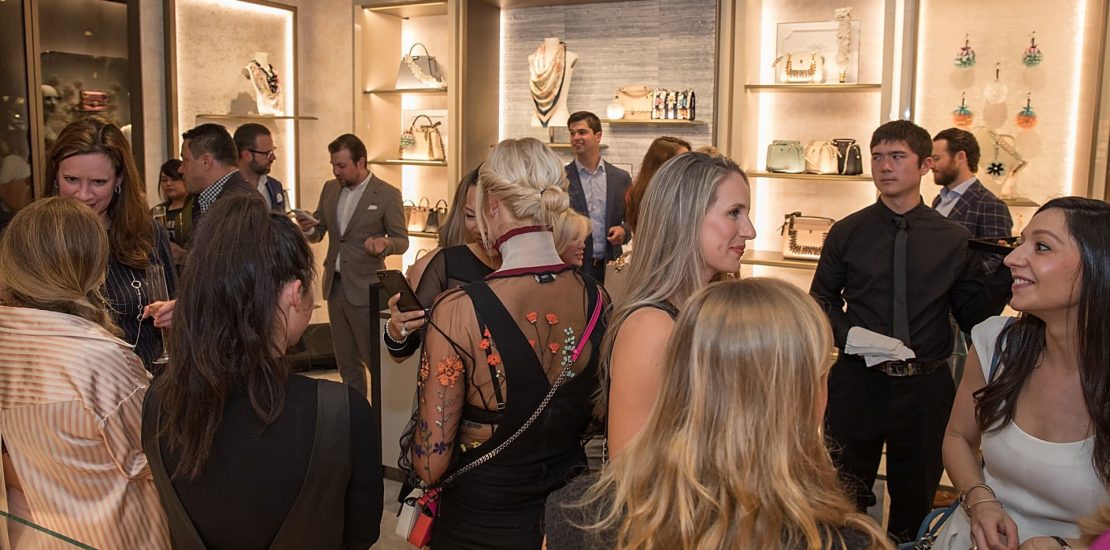
Alright, folks. Picture this: a snazzy shopping center but with a twist. In our K-shaped economy, while some are heading to Dollar General, the well-heeled are hitting up posh private clubs tucked within luxury malls. Places like the Highland Park Village in Dallas don’t just offer Hermès and Fendi; they boast private clubs like Park House. Membership? A cool $7,000 initiation, plus $292 a month. Worth it? For many, it’s a status symbol and a bustling social hub.
Middle America Gets in the Game
Private clubs are stepping out from the coastal elites and heading into America’s heartland. Places like The Social House in Cincinnati feature initiation fees of $4,000. Developers recognize these clubs can transform vacant spaces into lively ventures. Just look at Grand Rapids, Michigan, where The Commerce Club plans to revitalize a deserted downtown building. Co-founder Jeff Lambert believes this venture will inject metro-level charisma into his hometown.
Why It’s Catching On
So why are landlords so keen on this concept? According to Jia Li from Wake Forest University, these clubs fill large spaces and bring in steady traffic. They turn shopping malls from mere transaction hubs to exclusive lifestyle destinations. For landlords, clubs offer longer leases and consistent foot traffic, benefiting nearby tenants like restaurants and wellness spots.
A Nod to Nostalgia
Let’s add a little history, thanks to Daniel Spiegel from Coldwell Banker Commercial. He notes that private social clubs were the rage from the ‘50s to the ‘90s. Now, they’re making a comeback, often blending work and social spaces, as seen in Arizona’s Fashion Square with clubs like Industrious.
Into the Mall of America
Given the challenges malls face, filling spaces with meaningful, consistent traffic is key. Sam Vise of Optimum Retailing highlights how clubs, unlike traditional anchors, bring high-frequency visits. Developers love how clubs create vibrant centers, boosting footfall for nearby businesses.
Not Just About Shopping
Private clubs are as much about the experience as the exclusivity. Greg Zakowicz, a retail advisor, points out that high-end shoppers have long sought private settings like golf clubs. Now, retail’s joining the game, offering curated products in a chic atmosphere.
The Risks and Rewards
Despite the glitz, private clubs face their own boom and bust cycles. Take Soho House, for instance. Their IPO journey and recent private buyout show the volatile nature of this market. But amidst the risk, they bring coveted ‘dwell time,’ as Charlie Koniver from Odyssey Retail Advisors mentions. People tend to spend more time — and money — in places where they feel elite.
Conclusion: A Niche but Booming Sector
For landlords, consumers, and retailers, private clubs offer a dynamic shift. They need a careful balance; appealing to high-end shoppers without alienating broader audiences. As David Loranger from Sacred Heart University suggests, in today’s segmented economy, these clubs fit those who can afford upscale experiences. It’s a new chapter in retail where exclusivity meets community, creating spaces that feel local yet metropolitan.
It’s a trend to watch, and one that’s reshaping the landscape of retail across America. Stick around, New Yorkers – you might just find one popping up in your neighborhood.