
- November 26, 2025
- Posted by: Regent Harbor Team
- Category: Global Economy
Contents
Transformation of a Historic Denver Campus
A former college campus in Denver is experiencing a remarkable transformation, blossoming into a vibrant community hub combining affordable housing and education.
From Vacant to Vibrant
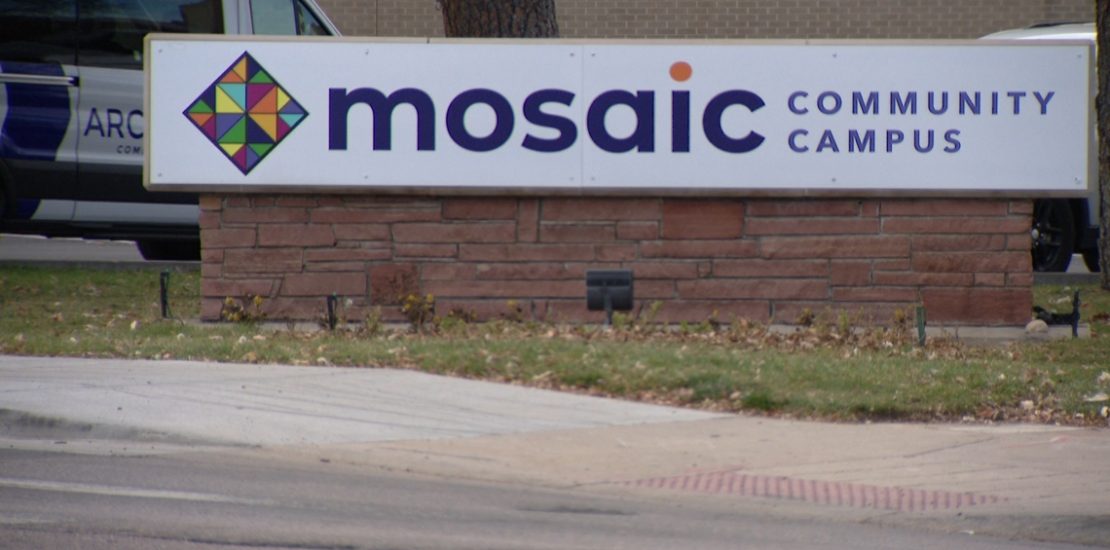
Located at the intersection of South Park Hill and East Colfax, the now-called Mosaic Community Campus stands as a beacon of opportunity. This site, once home to Colorado Women’s College and later, the esteemed Johnson & Wales University culinary school, was acquired by a collaborative partnership. Together, the Urban Land Conservancy, Denver Public Schools, and the Denver Housing Authority have breathed new life into these 25 acres.
A Space for Everyone
Andrea Burns, vice president of impact and engagement for Urban Land Conservancy, aptly put it: “It’s now really transformed into something for the community and of the community—a place where there’s something for everyone.”
Affordable and Accessible Housing
The campus boasts six historic dormitories, either already providing or soon to embrace affordable housing. In total, there are 154 income-restricted units, designed for residents earning 30% to 60% of the area’s median income.
| Apartment Type | Number of Units |
|---|---|
| Studio | Varied |
| One-Bedroom | Varied |
| Two-Bedroom | Varied |
| Three-Bedroom | Varied |
A Hub for Education and Development
Central to the campus is Work Options, a nonprofit dedicated to culinary training. This 30-year-old organisation offers free training aimed at using food as a force for good. Their mission addresses food insecurity while preparing participants, including those justice-involved, for sustainable employment in hospitality.
Supporting All Students
Brittany Jones, program and recruitment manager, notes, “40% of our students are justice-involved. This doesn’t always mean direct incarceration but includes those with various interactions with the justice system or foster care.”
Empowerment Through Education
Ava Fried, a student in her fourth week, shared, “This is the happiest I’ve been. The program’s empowered me and given me confidence in my skills.”
Community-Centric Development
The Urban Land Conservancy model enables nonprofits like Work Options to thrive in high-opportunity areas. Their extensive investment in over 50 properties across 20 neighborhoods, including saving nonprofit tenants $2.6 million in rent in 2024, is commendable.
Bringing the Community Together
Aside from housing and education, the campus encompasses St. Elizabeth’s School, Denver School of the Arts, and a range of community amenities. These include a public quad, amphitheatre, disc golf course, and community kitchens.
The community spirit shines with events like the upcoming Thanksgiving dinner, uniting schools, nonprofits, and residents in celebration.
A Promising Future
Reflecting on the development, Burns stated, “We believe in creating real estate developments that bring the community together—ones that are additive, bringing benefits to everyone.”
The Mosaic Community Campus is indeed a testament to what can be achieved when community and opportunity harmoniously unite.