
- March 12, 2026
- Posted by: Regent Harbor Team
- Category: Global Economy
Contents
- 1 BlackRock’s Stance on the US-Iran Conflict
- 1.1 Economic Impact of the Conflict
- 1.2 The Role of AI and Market Volatility
- 1.3 Current Oil Price Trends
- 1.4 Prospects for Post-War Oil Prices
- 1.5 Investment Strategies Amidst Volatility
- 1.6 Reevaluating “Woke” Corporate Initiatives
- 1.7 Pragmatism in Modern Business Practices
- 1.8 Balancing Corporate Guidance
BlackRock’s Stance on the US-Iran Conflict
Economic Impact of the Conflict
BlackRock’s Chairman and CEO, Larry Fink, expressed confidence that the US conflict with Iran won’t have enduring economic effects. Amid rising oil prices, he shared insights with Fox News, suggesting prices might even dip lower in the future.
“Do I believe oil will revert or drop lower? Perhaps,” said Fink.
The Role of AI and Market Volatility
During an appearance on “Special Report,” Fink discussed the impact of artificial intelligence alongside the ongoing conflict. Despite turmoil in energy markets, he remained unfazed by short-term volatility, stating:
“We manage $14.5 trillion, most being long-term. Short-term volatility doesn’t concern me.”
Current Oil Price Trends
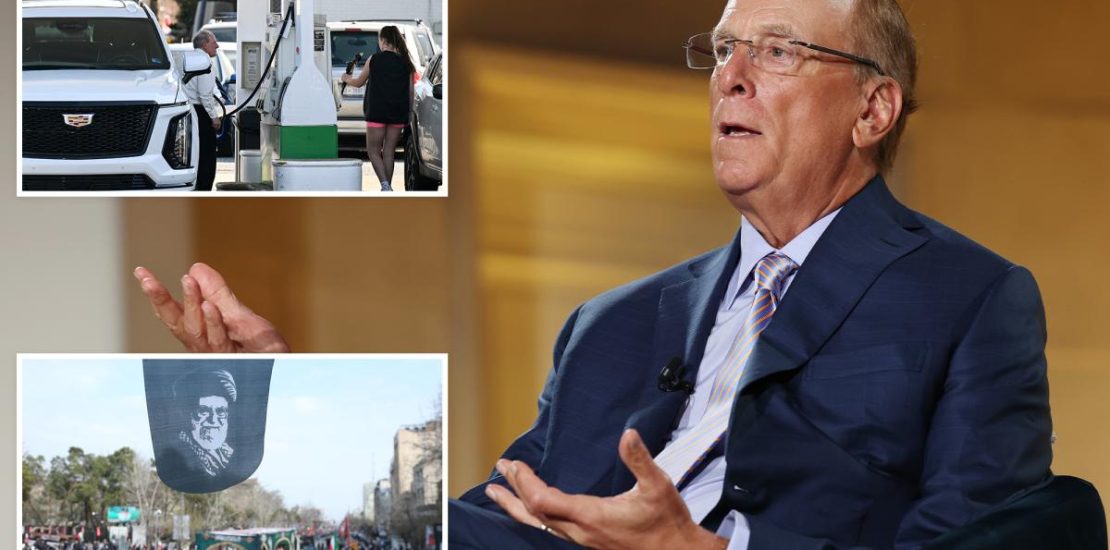
Following recent tensions, gasoline prices have surged 20% since late February, posing challenges at the pumps. The national average now hits $3.58 per gallon, compared to $2.94 previously.
Prospects for Post-War Oil Prices
Fink argues that a peaceful resolution might stabilise or lower oil prices. If Iran resumes its global market activities, prices could potentially drop below $50.
“A neutral Iran readmitted to the market may see lower oil prices,” he speculated.
Investment Strategies Amidst Volatility
Fink advised caution against drastic market withdrawals during these tumultuous times. He views the current climate as ripe for long-term investment opportunities.
“Many are exiting the market, but I suggest buying more,” Fink recommended.
Reevaluating “Woke” Corporate Initiatives
The CEO touched on BlackRock’s shift away from initiatives such as Diversity, Equity, and Inclusion (DEI) and Environmental, Social, and Governance (ESG). They’ve been reconsidered due to evolving US regulations.
“The pendulum was too far before,” Fink admitted.
Pragmatism in Modern Business Practices
Fink acknowledged a more practical approach, noting society’s progression towards increased pragmatism. BlackRock’s previous DEI initiatives were rolled back, reflecting changes in the US policy landscape.
Balancing Corporate Guidance
When pressed by Baier about BlackRock’s influence, Fink clarified their intentions:
“Our role as fiduciaries is plain—guarding the interests of those entrusting us with their money,” Fink stated.
The dialogue covered significant ground on economic resilience, viable opportunities, and evolving corporate strategies amidst broader geopolitical tensions. For live updates on related political events, follow the latest coverage.