
- March 14, 2026
- Posted by: Regent Harbor Team
- Category: Global Economy
markdown
Contents
Stirrings in the Gulf: A Clash of Titans
The recent US-Israeli strikes may have momentarily shaken Iran’s leadership, but the government remains unyielding. From its strategic position on the Strait of Hormuz, Iran now commands significant influence over the global economy amidst this ongoing conflict.
As US jets flew over Tehran, many assumed a swift victory was at hand. But alas, the situation quickly spiralled into something much more complex.
A Blow to Leadership
Amidst the rubble of a Tehran housing complex lay the remains of Supreme Leader Ali Khamenei and other high-ranking officials. This operation took years of meticulous planning, but its outcome wasn’t as conclusive as intended. Decapitating governments, as history teaches us, rarely ensures victory.
Iran astutely appointed a new supreme leader and activated its “mosaic defence,” developed in response to past US interventions in Iraq and Afghanistan, according to IFRI’s Elie Tenenbaum.
Lessons of Resilience
Iran, well-versed in regional geopolitics, has learnt from past US defeats in the region. As Iran’s Foreign Minister, Abbas Araghchi, remarked, “We’ve incorporated lessons accordingly.” The strategy? Survive, retaliate, and prolong. This resilient approach, noted by Ali Vaez from the International Crisis Group, has kept the Iranian regime intact.
Ripples Across the Globe
Iran has deftly spread its influence, striking oil tankers at sea and key allies of the US. The Strait of Hormuz, a crucial artery for global oil, has all but closed. As Hezbollah exchanges fire with Israel, oil prices surge, inflaming tensions far beyond the Middle East.
Many nations face rising costs. The UK observes increased petrol prices, echoing patterns from the US to Bangladesh. Countries scramble to release strategic reserves, a tactic offering little reprieve.
Economic Repercussions
The global economy stumbles under pressure. For instance, Kenya’s tea trade languishes, and Bangladesh enforces fuel rationing. Meanwhile, Iran’s missiles threaten allied forces, testing US defence systems relentlessly.
Strategic Missteps?
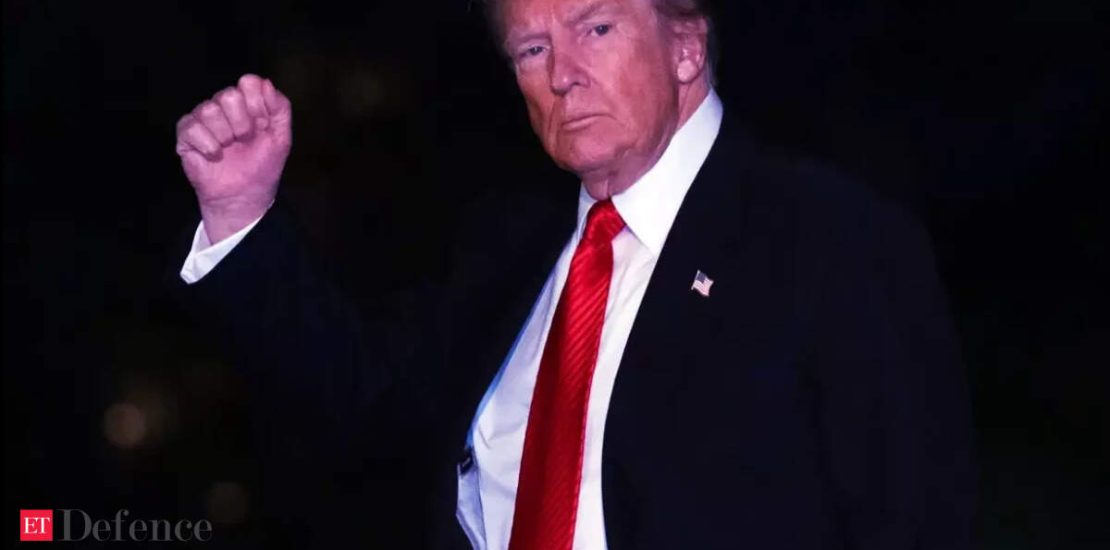
Critics have questioned Washington’s motivation. President Trump calls for Iran’s “unconditional surrender,” yet the objectives seem ever-shifting. Israel’s Institute for National Security Studies warns of overconfidence in intelligence without fully understanding Iran’s strategic depth.
There’s a stark difference between knowing your enemy’s whereabouts and understanding their mind.
Political Calculations
As US elections loom, domestic pressures mount. Republican representatives express concerns over the potential backlash of a prolonged conflict. The situation exacerbates US-Iran relations, as Iran exerts its leverage through aligned groups like Yemen’s Huthi rebels.
Meanwhile, Crisis Group’s Vaez describes Iran’s tactics as holding the global economy hostage, challenging the Trump administration directly.
Searching for an Exit
The future appears bleak for a simple resolution. Trump may need to redefine success, potentially moving away from the idea of a regime change.
Iran shows no sign of offering an off-ramp. Options remain bloodstained; hostilities could persist even if the US withdraws. Alternatively, a shift to ground operations looms, though fraught with peril.
The stakes are alarmingly high, with the conflict potentially evolving into an ethnic struggle if adversaries escalate involvement.
For now, the missiles persist ominously over the Middle East, with no end in sight.
This article expands on existing information sourced from Economic Times, providing further context and insight into the intricate dynamics at play.